How to Process Hydrangeas for Longer, Lovelier Blooms
By the You Floral Team · 6 min read
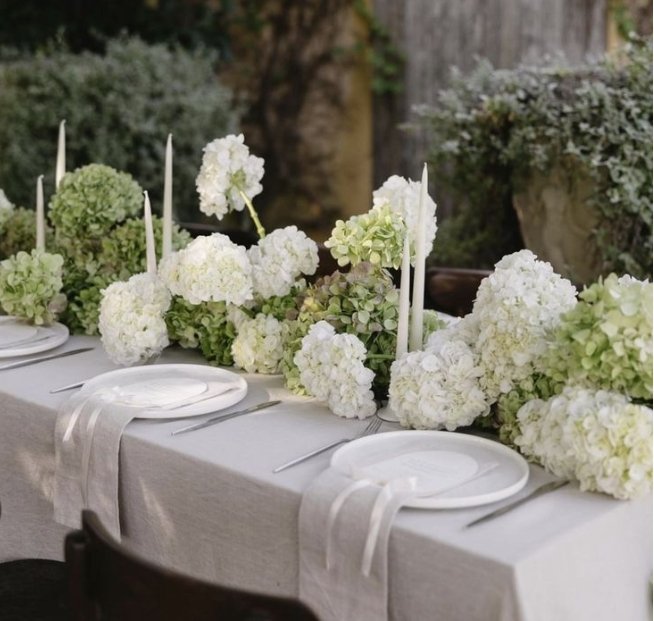
Hydrangeas are one of the most stunning flowers you can work with — and one of the most misunderstood. A few simple steps make the difference between a vase that droops by day two and a bouquet that’s still turning heads on day eight.
Why Hydrangeas Wilt So Easily
Unlike most cut flowers, hydrangeas absorb water through their petals as well as their stems. This makes them particularly vulnerable to dehydration at any stage — from harvest to your vase. The good news? Once you understand this, processing them becomes intuitive.
The most common mistake is simply placing stems in a vase and hoping for the best. Hydrangeas need a little more love than that — but it only takes a few extra minutes.
What You’ll Need
Before you begin, gather your supplies:
- Sharp floral knife or scissors (clean blades matter!)
- A deep bucket or vase, filled with fresh, cool water
- Floral preservative or flower food
- A spray bottle filled with water
- Optional: alum powder (a secret weapon — more on this below)
Need fresh hydrangea stems? Browse our weekly selection at youfloral.ca — farm-fresh stems delivered to your door.
Step-by-Step: Processing Your Hydrangeas
1. Unbox and inspect your stems immediately As soon as your flowers arrive, open the box and check for damage. Remove any rubber bands or sleeve packaging. Hydrangeas don’t like being compressed — give them space to breathe right away.
2. Re-cut the stems at an angle Using a sharp, clean knife or scissors, cut about 2–3 cm off the bottom of each stem at a 45° angle. This increases the surface area for water uptake. Do this under running water or submerged in your bucket — air can enter an exposed cut and block the stem’s vascular system within seconds.
3. Score or crush the woody stem end Hydrangea stems are semi-woody, which can restrict water flow. After cutting, use the back of your knife to lightly crush the bottom 2 cm of the stem, or make a vertical slit. This dramatically improves hydration. Some florists also scrape a thin strip of bark from the lower few centimetres.
4. Remove all foliage below the waterline Any leaves sitting in water will rot quickly, breeding bacteria that clog the stem and shorten vase life. Strip off all leaves from the lower two-thirds of each stem. You can leave a few beautiful leaves near the bloom head — just keep them out of the water.
5. Place immediately in deep, treated water Transfer stems straight into your bucket filled with fresh, cool water and floral preservative. The deeper the water, the better — hydrangeas love a long, deep drink after transit. Keep them away from direct sunlight, heat vents, and fruit (ethylene gas from fruit accelerates wilting).
6. Let them hydrate for at least 2–4 hours Resist the urge to arrange immediately. Give your hydrangeas 2–4 hours — overnight is even better — to fully hydrate before arranging. You’ll notice the blooms become noticeably firmer and more voluminous as they drink.
Watch our Hydrangea processing video here
⭐ Pro Tip: The Alum Method Dip your freshly cut stem ends in alum powder (found at most grocery stores in the spice aisle) before placing them in water. Alum acts as an astringent that keeps the stem’s vascular system open and dramatically reduces wilting — a trick used by professional florists for years.
Reviving a Wilted Hydrangea
It happens to everyone — you turn your back for an afternoon and your hydrangeas have gone completely limp. Don’t panic. Hydrangeas are one of the few flowers you can often revive.
The Full Submersion Method Fill a large sink or container with cool water. Submerge the entire bloom — stem, leaves, and flower head — completely under water for 30–60 minutes (up to a few hours for severely wilted stems). The petals will rehydrate directly. Gently shake off excess water and re-cut the stems before returning to a fresh vase.
The Misting Method (for mild wilt) For blooms that are just slightly tired, a gentle misting of the petals and a fresh stem cut can be enough to perk things back up. Keep a spray bottle nearby and mist your hydrangeas lightly once a day — they genuinely appreciate it.
Check out our video on reviving Hydrangea here
⚠️ Things to Avoid Never place hydrangeas near ripening fruit, heating vents, or in direct sun. Avoid letting the water level drop too low — these flowers are thirsty. Always use clean buckets and vases; bacteria are a hydrangea’s worst enemy.
Ongoing Care: Making Your Blooms Last
Once your hydrangeas are arranged, a little daily attention goes a long way:
- Change the water every 2 days and add fresh floral preservative each time.
- Re-cut the stems each time you change the water — even a small fresh cut makes a meaningful difference.
- Mist the blooms lightly with cool water once a day.
- Keep them cool at night — move your arrangement to a cooler room overnight to extend vase life.
- Top up the water daily — hydrangeas drink a lot, especially in the first few days.
Follow these steps and a well-processed hydrangea can last anywhere from 5 to 9 days — sometimes longer with fresh garden-cut stems.
Watch our video on some Hydrangea Essentials you may want to know! Here
Choosing Quality Stems from the Start
All the processing in the world can only do so much with poor-quality stems. The best results start with flowers that have been properly handled post-harvest — kept hydrated, temperature-controlled, and not over-aged before they reach you.
When selecting hydrangeas, look for blooms that are about ¾ open (not fully open), with crisp, firm petals and no browning at the edges. The stems should feel firm and substantial — not hollow or limp. A slight fragrance is normal; a sour smell is not a good sign.
Ready to Put This Into Practice?
You Floral sources fresh, premium hydrangeas directly from the farm — available in classic white and soft blue. If you want to use them for a weekend wedding (e.g. a Saturday), we suggest getting them on a Wednesday or Thursday to allow time for them to hydrate fully and be ready for your event!
Shop Fresh Hydrangeas at youfloral.ca → White Hydrangea
Have questions about processing or caring for your flowers? Reach out to the You Floral team anytime — we love talking flowers. And if you found this guide helpful, share it with a fellow flower lover!